
Understanding Sports Broadcasting Fundamentals
Defining Sports Broadcasting
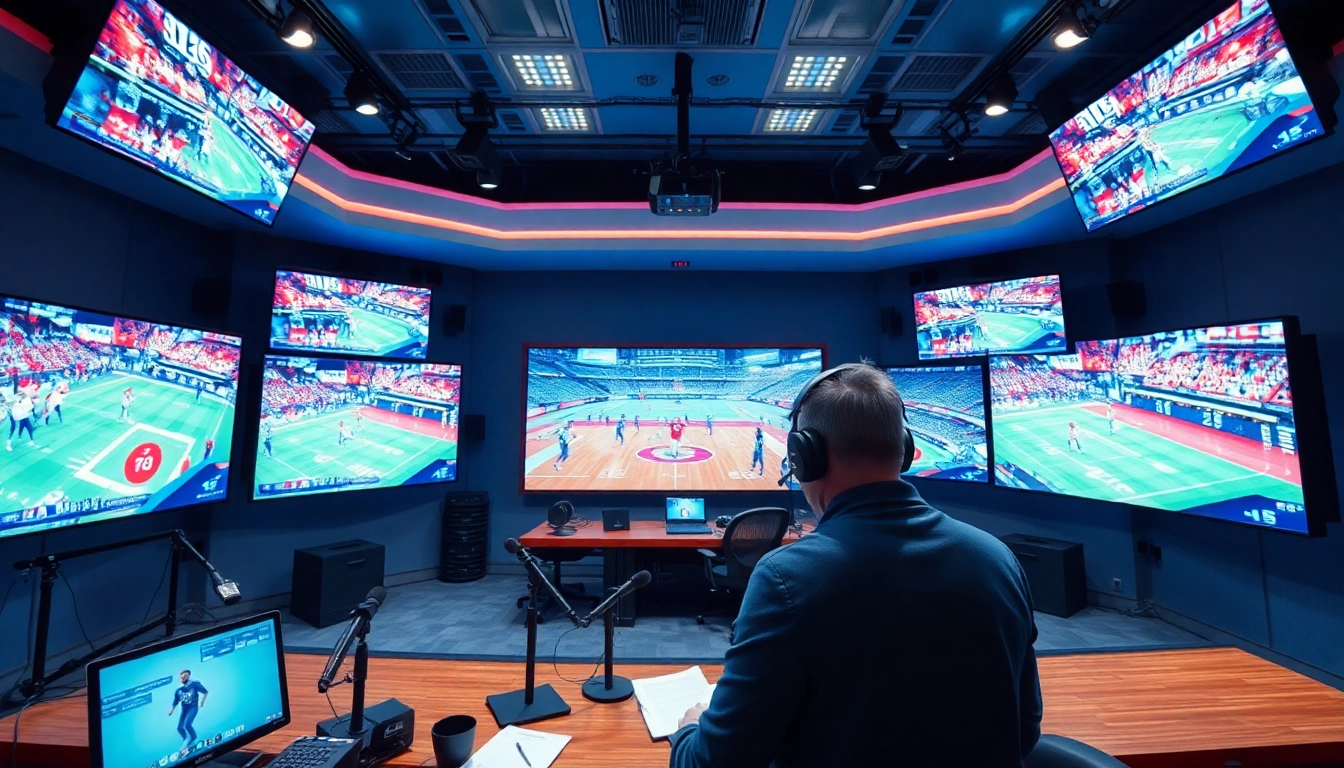
Sports Broadcasting is the process of transmitting live sports events on various media platforms, including television, radio, and digital streaming services. This genre of broadcasting involves not only the live presentation of the events but also the analysis, commentary, and overall experience that enhances viewer engagement. The rise of the internet has significantly expanded the scope of Sports Broadcasting, enabling audiences to access a wide range of sports content anytime, anywhere, through platforms offering Sports Broadcasting.
Importance of Live Sports Coverage
The essence of Sports Broadcasting lies in its live coverage. Live sports events captivate audiences, creating a sense of immediacy and excitement. Viewers can experience the highs and lows of competitive sports in real-time, which fosters a strong emotional connection with the teams and athletes. This immediacy is not just about the thrill of witnessing events as they unfold; it also influences various commercial aspects, including advertising revenues, sponsorship deals, and viewer loyalty.
Key Roles in Sports Broadcasting
Successful sports broadcasting involves a coordinated effort from various professionals, including producers, directors, commentators, and technicians. Producers are responsible for creating the overall broadcast plan, while directors orchestrate the live transmission, deciding which camera angles to use and when. Commentators provide play-by-play analysis, enriching the viewing experience with insights and making the event more relatable for the audience. Behind the scenes, technicians ensure the technical quality of the broadcast, managing sound, visuals, and transmission.
Technological Advances in Sports Broadcasting
Impact of Streaming Services
The emergence of streaming services has revolutionized Sports Broadcasting. These platforms allow viewers to watch sports events on-demand and on multiple devices, shifting the paradigm from traditional broadcast methods. The flexibility that streaming offers has broadened viewership and enabled niche sports to reach dedicated audiences that were previously inaccessible through conventional means. This trend has also prompted major networks to develop their own streaming outlets, offering exclusive content that attracts younger viewers.
High-Definition and 4K Broadcasting
High-definition (HD) and 4K broadcasting have transformed the viewer experience by providing stunning visual clarity that brings sports events to life. With HD, viewers benefit from improved picture quality and detail while 4K offers even finer resolutions, allowing fans to see every moment as if they were right there in the stadium. This advancement not only enhances fan engagement but also sets a new standard for content delivery, compelling networks to invest in the latest technologies to remain competitive.
Virtual Reality and Augmented Reality Enhancements
Innovations in virtual reality (VR) and augmented reality (AR) are pushing the boundaries of how audiences engage with sports broadcasting. VR can immerse viewers in the experience of attending a live event from the comfort of their homes, providing front-row access to matches. Conversely, AR can enhance broadcasts by overlaying real-time statistics and graphics onto the viewer’s screen, enriching the information available during a game. As these technologies continue to evolve, they signify a future where sports fans will have unprecedented ways to engage with their favorite games and teams.
Building an Effective Sports Broadcasting Strategy
Identifying Target Audiences
Understanding the audience is critical in creating an effective Sports Broadcasting strategy. Different sports attract unique demographics, and by analyzing viewer data, broadcasters can tailor their content to meet the desires and preferences of specific audience segments. This entails not only demographic analysis but also studying viewer behavior and interaction patterns, allowing networks to craft tailored programming that resonates with their intended viewers.
Content Planning for Sports Events
Strategic content planning enhances viewer engagement and satisfaction during sports broadcasts. This includes creating a content calendar that aligns with the sports season, scheduling highlights, interviews, and special features to build hype around specific events. It’s equally important to include pre-game, in-game, and post-game content to maintain continuous viewer interest. Integrating social media interaction and audience participation further amplifies the connection between broadcasts and fans.
Marketing Techniques to Engage Viewers
Embracing innovative marketing techniques helps broadcasters grow their audience base. Utilizing social media platforms to promote upcoming events, running interactive campaigns, and collaborating with athletes for branded content can enhance viewer reach and engagement. Additionally, personalized advertising based on viewer preferences can significantly increase the effectiveness of marketing, transforming casual viewers into dedicated fans.
Navigating Legal and Ethical Aspects
Broadcast Rights and Licensing Issues
The legal landscape surrounding Sports Broadcasting can be complex, particularly when it comes to broadcast rights and licensing. Networks must navigate intricate agreements to secure the rights to air specific events. Failing to comply with licensing requirements can lead to severe penalties, including fines and restrictions on future broadcasts. Thus, understanding the legal framework governing sports rights is paramount for any broadcasting organization to avoid pitfalls.
Adhering to Ethical Standards
Ethical considerations play a crucial role in Sports Broadcasting. This encompasses fair representation of athletes, sensitivity toward issues like mental health, and maintaining integrity in reporting. Broadcasters have a responsibility to provide accurate information, avoid hate speech, and refrain from spreading false narratives. Upholding ethical standards fosters trust and credibility, which are essential for maintaining a loyal viewer base.
Responding to Viewer Complaints
Viewer complaints are a natural aspect of sports broadcasting, and how organizations respond can significantly impact their reputation. Establishing clear channels for feedback and taking prompt action to address concerns demonstrates a commitment to viewer satisfaction. Moreover, analyzing complaints can reveal valuable insights into viewer preferences, aiding in the improvement of future broadcasts and ensuring higher-quality content.
Measuring Success in Sports Broadcasting
Analyzing Viewer Metrics
Measuring success in Sports Broadcasting relies heavily on viewer metrics. Traditional metrics like ratings and shares must be complemented with digital insights such as viewer engagement and content interaction statistics. Understanding these metrics helps broadcasters evaluate the effectiveness of their programming and make data-driven decisions for future broadcasts. Tools such as audience analytics platforms can provide comprehensive insights to guide strategy refinement.
Understanding Audience Feedback
Audience feedback is a powerful resource for broadcasters looking to enhance their programming. Engaging with audiences through surveys, social media feedback, and analytics can uncover trends and viewer preferences. Understanding what resonates with the audience allows for continual improvement and adaptation, ensuring that broadcasts align with viewer interests and expectations.
Case Studies on Successful Broadcasts
Examining case studies of successful sports broadcasts can provide valuable insights into best practices. Noteworthy examples include events that featured innovative storytelling, engaging commentary, and integration of viewer participation. By analyzing what made these broadcasts successful, organizations can apply similar strategies to maximize their own offerings and drive viewer engagement.
Frequently Asked Questions
What is Sports Broadcasting?
Sports Broadcasting involves the live transmission of sports events through various media, including television and streaming services, often accompanied by commentary and analysis.
How has technology impacted Sports Broadcasting?
Technology has transformed Sports Broadcasting through advancements like streaming services, HD and 4K visuals, and immersive technologies like VR and AR, enhancing viewer engagement.
What roles are essential in Sports Broadcasting?
Key roles include producers, directors, technicians, and commentators, all of whom contribute to creating a cohesive and engaging broadcast experience.
Why is live sports coverage important?
Live coverage creates immediacy and excitement, fostering emotional connections between viewers, teams, and athletes, significantly influencing engagement and viewership.
What are the main legal considerations in Sports Broadcasting?
Legal considerations include broadcast rights, licensing agreements, and adherence to ethical standards to avoid legal penalties and maintain broadcaster credibility.